The Capacity You Need. The Quality You Expect.

UL CONTROL PANEL DESIGN & FABRICATION

CID designs and fabricates panels to applicable UL 508A and UL 698A requirements, with NNNY-listed panel capabilities for applicable hazardous-location applications.

Why Choose Us:

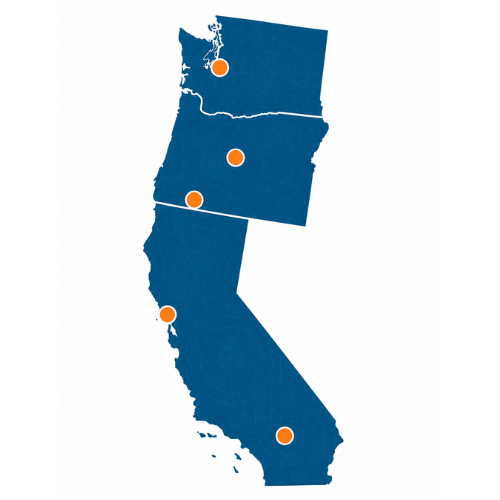
Based in Bend Oregon and Serving the West Coast
Ignition Gold Certified Integrator badge with white and gold background and stylized text.
Ignition Gold Certified Integrator
ISO 9001:2015 Certified
UL certification mark with text 'UL 508A Industrial Control Panel Fabrication'.
UL508A / UL698A Certified Panel Shop

Why Choose CID Panel Fabrication Services?

Do you need a comparable quote to make sure you're receiving fair and competitive pricing?

A second qualified proposal can help validate costs, lead times, scope, and technical approach before you commit to a panel supplier.

Is your current panel shop struggling to meet your project schedule?

Project timelines shouldn't be dictated by limited fabrication capacity.

Do you need a panel shop that will follow your standards, not impose theirs?

Your drawings, components, labeling conventions, and documentation standards should remain consistent across your projects.

Are you relying on aging control hardware that is obsolete, unsupported, or no longer receiving security updates?

Legacy PLCs, HMIs, network equipment, and other control components can create reliability, maintenance, and cybersecurity risks when replacement parts, manufacturer support, or firmware and security updates are no longer available.

Do you or your electricians need help navigating NEC Article 500 hazardous-location requirements?

CID can help evaluate hazardous-location requirements and develop panel designs appropriate for the classified environment and application.

Do you need a control panel designed for a specialized robotic system?

CID has experience developing control systems for robotic and motion applications, including FANUC, Epson, ABB, Nachi, and DENSO platforms.

Do you need additional panel-building capacity without compromising quality?

Adding another supplier shouldn't mean lowering your expectations for engineering, craftsmanship, or documentation.

Are long panel lead times putting your project or startup date at risk?

Flexible fabrication capacity can help keep equipment deliveries, installation, and commissioning on schedule.

Are you looking for a build-to-print partner that can execute your designs accurately and consistently?

CID can fabricate to your drawings, specifications, preferred components, and established construction standards.

Does your application require UL 508A, UL 698A, or hazardous-location panel capabilities?

CID can support applications requiring specialized panel construction, certification, and hazardous-location considerations.

ISO 9001 Certified Quality System

CID's ISO 9001-certified quality management system is integrated into every stage of our work, from design and documentation through procurement, fabrication, inspection, testing, and final delivery. Quality is not an additional step at the end of a project; it is built into the processes we use to design and manufacture every control panel.

UL-Certified Panel Capabilities

CID supports UL 508A and UL 698A applications, along with NNNY-listed capabilities for applicable hazardous-location control panels. Our designs are developed with applicable electrical codes, standards, and certification requirements in mind from the beginning.

Engineering Behind Every Build

CID is more than a fabrication shop. Our electrical designers, controls engineers, programmers, and field personnel understand how the panel fits into the complete operating system. That broader system perspective helps us anticipate installation, integration, maintenance, and long-term operational requirements before they become field issues.

Craftsmanship You Can See. Quality You Can Verify.

Our quality system establishes the process; our workmanship demonstrates the result. Panel layout, wiring, labeling, documentation, inspection, and testing are executed with exceptional attention to detail so the finished system is orderly, consistent, maintainable, and built for long-term service.

Built to Your Standards

CID can incorporate customer-specific drawing standards, preferred components, naming conventions, wire numbering, labeling practices, title blocks, and construction requirements. Our goal is to make our work integrate naturally with your engineering, maintenance, and documentation practices.

Designed for Installation, Maintenance, and Resiliency

CID considers the entire lifecycle of the control panel, not just the day it leaves our shop. Layouts are developed with field installation and future maintenance in mind, while appropriate resiliency measures such as backup power, redundancy, spare capacity, component availability, network architecture, and recovery considerations can be incorporated into the design from the beginning.

UL-Certified Control Panel Design & Fabrication

Electrical design and panel fabrication for UL 508A and UL 698A applications, with NNNY capabilities for applicable hazardous-location control panels.

ISO 9001 Quality-Controlled Design & Fabrication

All electrical design and panel fabrication are performed under CID's ISO 9001 Quality Management System, with documented quality checks incorporated throughout the design, fabrication, inspection, and testing process.

Hazardous-Location Electrical Design

Extensive knowledge of NEC Articles 500-503 and the installation techniques, equipment requirements, and design considerations associated with hazardous (classified) locations.

PLC & Control System Modernization

Modernization and migration of legacy PLC and control panels, with experience across Rockwell Automation, Siemens, Modicon, and other major industrial control platforms.

Motor Control Modernization

Modernization of conventional motor-control systems using smart overloads, soft starters, variable frequency drives, and modern control and communications technologies.

Motion Control & Industrial Robotics

Design and integration of motion-control and robotic systems, including extensive experience with FANUC, Epson, ABB, Nachi, and DENSO robotic platforms.

MCC Fabrication & Automation

Custom MCC bucket fabrication and modernization, including integration of intelligent motor-control devices, communications, and automated control.

Standardized Lift Station & Pump Station Designs

Proven, reusable electrical and control-panel designs for lift stations and pump stations that can be adapted to customer standards, equipment selections, and project-specific operating requirements.

Common Panel-Shop Challenges We Solve

What is an industrial control panel, and what does it do?

An industrial control panel is an assembly of electrical and control components used to monitor, operate, and automate industrial equipment or processes.

Depending on the application, a control panel may contain PLCs, motor controls, variable frequency drives, power supplies, circuit protection, relays, industrial network equipment, operator interfaces, and connections to field instrumentation. The panel provides an organized interface between electrical power, the control system, and the equipment being controlled.

Are all industrial control panels the same?

No. Industrial control panels can vary significantly depending on the equipment being controlled, operating environment, electrical requirements, level of automation, applicable codes and standards, and customer requirements.

A panel designed for a municipal pump station, for example, may have very different requirements from a robotic manufacturing cell or a panel installed in a hazardous classified location. CID designs each panel around the application while also considering installation, operation, maintenance, and future support.

Do electricians build and install industrial control panels?

Electricians frequently install, connect, troubleshoot, and modify industrial control panels, but panel design and fabrication can require specialized engineering, documentation, testing, and certification capabilities.

CID designs its panels with the installing electrician in mind, including thoughtful equipment layouts, accessible field termination points, clear labeling, and complete electrical documentation.

What is motor control?

Motor control refers to the electrical equipment and control methods used to start, stop, protect, monitor, and regulate electric motors.

Motor-control systems can range from conventional starters and overloads to intelligent motor protection devices, soft starters, variable frequency drives, networked motor control centers, and PLC-based automation.

What is the difference between a VFD and a soft starter?

A variable frequency drive (VFD) controls both the frequency and voltage supplied to a motor, allowing its speed and torque to be controlled during operation. A soft starter primarily reduces the electrical and mechanical stress associated with starting and stopping a motor.

A soft starter can be a good choice when a motor normally operates at full speed but needs a controlled start. A VFD is typically used when the process benefits from variable speed, tighter process control, energy optimization, or more advanced motor-control functionality.

What is a UL panel shop?

A UL panel shop is a control panel manufacturer participating in UL Solutions' Industrial Control Panel Shop Program and authorized to apply applicable UL Certification Marks to panels manufactured within the scope of its certification.

CID maintains UL-certified panel capabilities for general industrial control panels as well as specialized hazardous-location applications.

What is the difference between UL 508A, UL 698A, and NNNY control panels?

UL 508A is the primary standard for industrial control panels. UL 698A addresses industrial control panels relating to hazardous classified locations, typically where a panel installed in an ordinary location contains intrinsically safe circuits extending into a hazardous location.

NNNY is a UL product category covering control panels and assemblies for use in hazardous locations themselves. CID's panel shop has capabilities covering UL 508A, UL 698A, and applicable NNNY hazardous-location panel applications.

What is a hazardous classified location, and how does it affect control panel design?

A hazardous classified location is an area where flammable gases or vapors, combustible dusts, or other ignitable materials may create an increased risk of fire or explosion.

CID has extensive experience with NEC Articles 500-503 requirements and can help customers and electricians develop appropriate control-panel and field-installation approaches for hazardous applications.

What is a purge and pressurization system for a control panel?

A purge and pressurization system uses a protective gas, commonly clean air or an inert gas, to reduce or remove a potentially hazardous atmosphere from an enclosure and maintain positive pressure to help prevent the surrounding hazardous atmosphere from entering.

The appropriate protection technique depends on the area's classification and the equipment being installed.

What does PLC modernization mean?

PLC modernization is the process of replacing or migrating aging control-system hardware and software to a current, supportable platform while preserving the required operation of the process or equipment.

CID has experience modernizing systems based on Rockwell Automation, Siemens, Modicon, and other industrial control platforms.

What should I do if my PLC or control hardware is obsolete or no longer supported?

Obsolete control hardware should be evaluated before a component failure or support issue forces an emergency replacement.

CID can evaluate an existing system, identify lifecycle risks, and develop a phased or complete modernization strategy that considers operations, maintainability, spare parts, cybersecurity, and downtime requirements.

Does CID design control panels for robotics and motion-control systems?

Yes. CID designs and integrates control systems for industrial robotics, motion control, and other specialized automated machinery, with experience across FANUC, Epson, ABB, Nachi, and DENSO robotic systems.

Can CID build a control panel from electrical drawings that I provide?

Yes. CID can provide build-to-print panel fabrication using customer-supplied electrical drawings and specifications, allowing CID to function as an extension of an existing engineering or manufacturing organization.

Can CID design my control panel if I don't already have electrical drawings?

Yes. CID can provide complete electrical design and panel fabrication when finished electrical drawings are not available, starting from equipment specifications, P&IDs, I/O lists, sequence descriptions, existing drawings, or defined operating requirements.

Can CID follow our company's electrical drawing and panel-building standards?

Yes. CID can develop electrical drawings and fabricate panels in accordance with established customer standards, including preferred manufacturers, drawing formats, naming conventions, wire and terminal numbering, labeling practices, and title blocks.

Can CID provide additional panel-shop capacity if our existing supplier is overloaded?

Yes. CID can provide supplemental engineering and panel-fabrication capacity for customers who need additional resources to support project schedules or production demand, without requiring a compromise on standards or workmanship.

How does CID's ISO 9001 Quality Management System affect the panels it builds?

Documented processes and quality checks are incorporated throughout the project, not just a final inspection after fabrication, to promote consistency, traceability, repeatability, and continuous improvement.

Does CID only build control panels for local customers?

No. CID supports customers and projects beyond its local Bend, Oregon area and serves customers throughout the West Coast. Panels can be engineered, fabricated, tested, documented, and prepared for shipment before arriving at the project site.

Can I request a control panel quote before committing to a project?

Yes. CID can review your panel requirements and prepare a proposal so you can evaluate cost, schedule, scope, and technical approach before moving forward. The more information available, such as electrical drawings, BOMs, and required delivery dates, the more accurately CID can evaluate the project.

Need help with your next panel fabrication project?

CID can help evaluate your requirements and deliver a UL-certified panel built to your standards.